


The New Standard for E-Commerce — or Just a Hype? How Banks Should Start Preparing for It Now.
Download PDF
Our 3 Key Takeaways
Agentic Commerce is not a radical break with the past, but rather the next stage in the evolution of the platform economy. AI agents automate search, comparison, and checkout, thereby gradually transforming existing value chains in e-commerce.
If Agentic Commerce gains traction, the balance of power in e-commerce will shift. Decision-making logic and customer interfaces will shift to agents and platforms—with direct implications extending all the way to payment processing and the role of banks.
For banks, this means: strategically repositioning their own payment solutions, making payment and authorization processes agent-enabled, integrating relevant standards, and forming targeted partnerships throughout the emerging Agentic Commerce ecosystem
Our Podcast
1 Agentic commerce as the evolution of the platform economy
Hardly any other topic is currently discussed more frequently in professional networks and trade media related to retail and payments than Agentic Commerce - often used as an umbrella term for future scenarios in which artificial intelligence, rather than the consumer, determines purchasing decisions, thereby disrupting existing value chains and power structures across various industries. If, in the near future, agents do indeed not only make purchasing decisions but also select the payment method, a revenue pool of approximately 25 billion euros annually would be at risk for European banks alone [1].
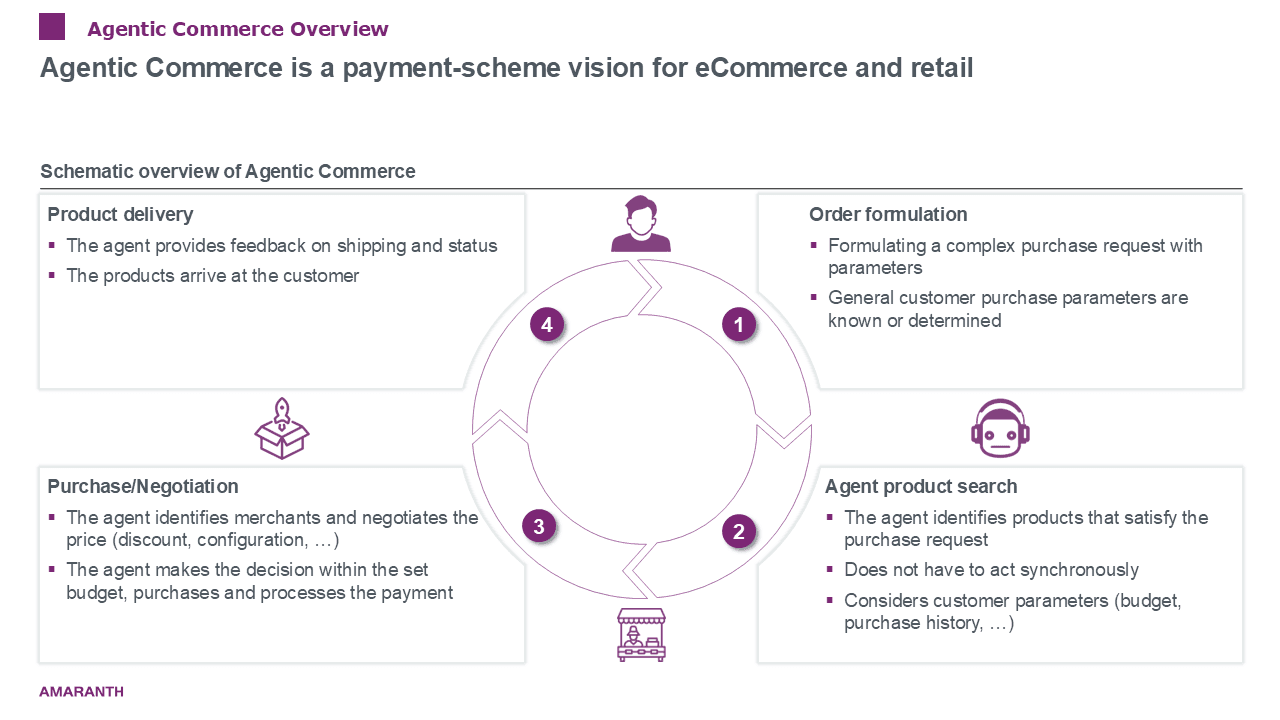
Figure 1 – Schematic Representation of Agentic Commerce
In fact, numerous initiatives by prominent market players can already be observed, as they seek to build or consolidate their business models around Agentic Commerce through partnerships and integrations (see Figure 1). In particular, large, international payment providers are positioning themselves in this space and are already entering into direct partnerships with major technology conglomerates.
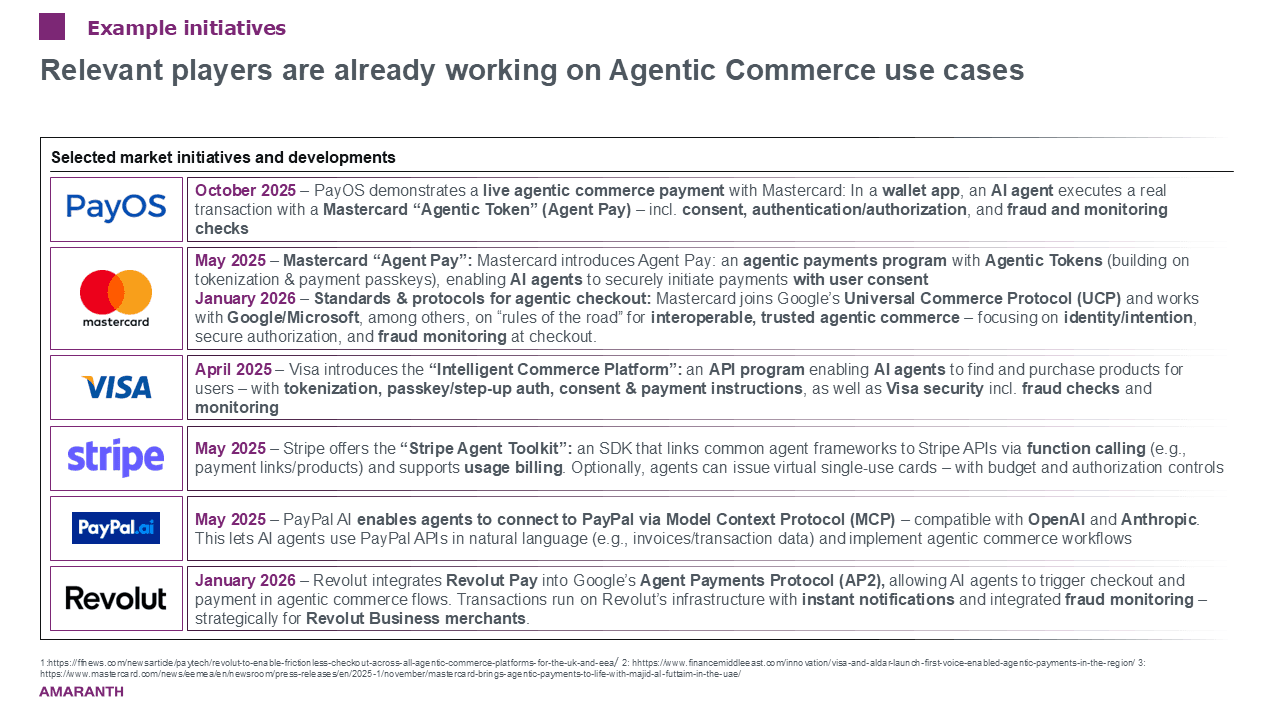
Figure 2 - Overview of Market Initiatives and Developments
But how realistic are these scenarios, and to what extent should market players be strategically considering the associated opportunities and risks today?
To make concrete statements on this matter, we must first sufficiently understand the history and technological foundations in order to deduce how Agentic Commerce could transform the supply side and payment behavior.
1.1 A look back at the past
The beginnings of e-commerce in its current form date back to the early 1990s.
In the first phase, static web stores dominated. These consisted of simple HTML pages with product lists, where orders were often processed via bank transfer or cash on delivery. Only over time did these evolve into dynamic stores with database-driven logic, which for the first time enabled real transactions and credit card payments.
Starting in the early 2000s, a transition to a second phase became apparent, during which standardized store systems with payment plugins became established. Software solutions such as Magento, Shopwar, and Shopify significantly lowered the barriers to entry and made it possible even for smaller merchants to set up professional online stores. Payment providers such as PayPal, Stripe, and Adyen were integrated via plugins, and shopping cart and checkout functions were automated. On the payment side, the store system served merely as a technical interface, while the merchant continued to hold the contract with the acquirer or payment service provider (PSP).
At the same time, platform and marketplace models emerged that fundamentally restructured the retail landscape. Marketplaces such as Amazon, eBay, and Zalando aggregated offerings from many merchants and took over the checkout process entirely. Payments were processed through the platform, with merchants acting as sub-merchants. The market increasingly shifted from individual merchants to platform orchestrators.
In recent years, a new “third” phase has emerged, characterized by intelligent online stores and conversational interfaces. Chatbots, AI-powered product recommendations, AR and VR shopping, and voice commerce approaches have shifted the focus from pure transactions to experience and personalization. Navigation has increasingly been replaced by interaction. Today, payments are often made via digital wallets or directly within the dialogue, such as through Apple Pay, Google Pay, or in-chat payments (e.g., WeChat). Agentic Commerce also falls within this stage of evolution.
These innovations are permanently transforming the purchasing process and amount to a revolution. Customers no longer visit individual online stores themselves to select products, pay, and - if necessary - support their purchasing decisions in advance through comparison sites and reviews; instead, the entire process - from product search to comparing different offers to payment - takes place via a separate customer interface provided by the agent, who coordinates the other parties involved. Depending on the use case, it is even conceivable that the customer no longer actively interacts with the agent at all; instead, the agent makes purchasing decisions on the customer’s behalf based on parameters defined by the customer - for example, purchasing product X when the price falls below threshold Y. From the customer’s perspective, the agent can score points for increased convenience, as the customer does not have to consolidate information across multiple channels themselves. On the other hand, it can also generate actual commercial benefits, as the agent processes transactions on the best possible terms for its client and can also prevent impulse purchases.
To put it bluntly: In the future, ChatGPT and similar systems will coordinate with the customer to determine what to buy, from whom, and how to pay. Merchants, PSPs, and banks will merely execute these decisions in the background. The balance of power - at least in e-commerce - would be reshuffled. But what specific changes can we expect with Agentic Commerce?
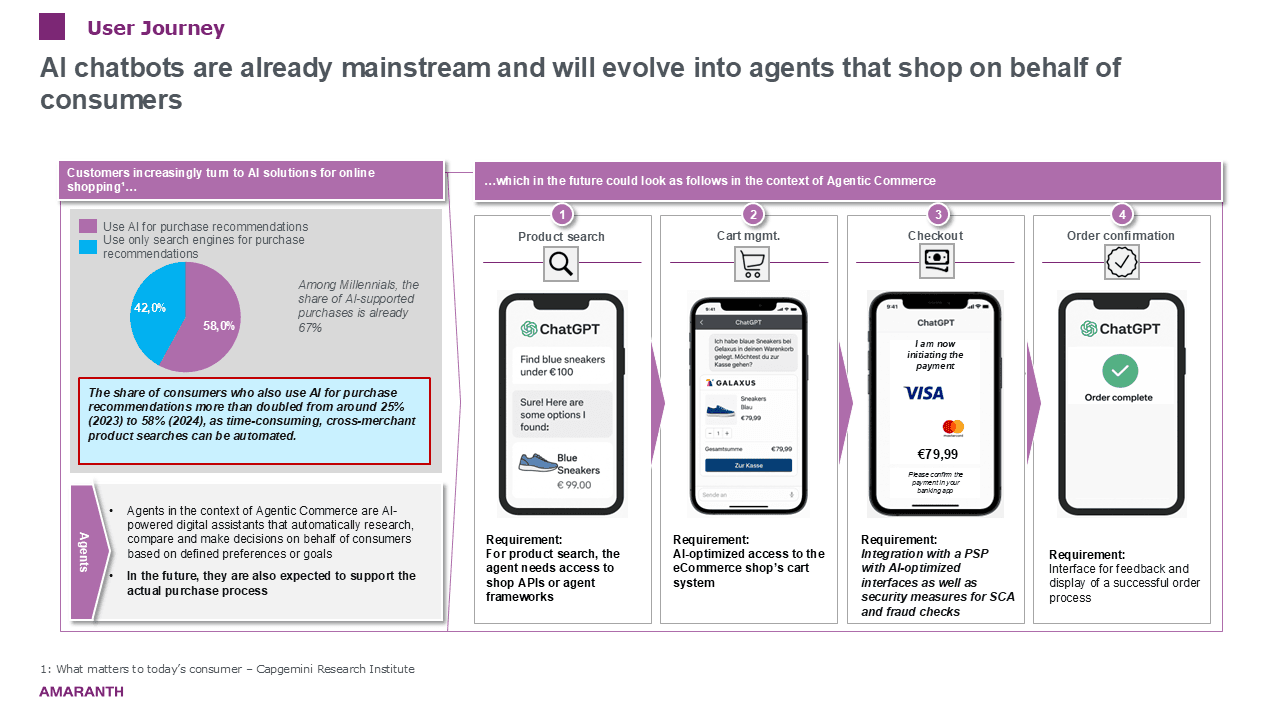
Figure 3 – Example User Journey
1.2 Stages and developement of Agentic Commerce
In the context of Agentic Commerce, we can distinguish between different levels of agents, characterized by their degree of autonomy:
Assistive agents represent the most common form today. They help users make informed purchasing decisions by presenting available options - such as products, discounts, or shipping terms - in the context of known customer preferences. Customers are presented with transparent options and can complete the purchase and payment themselves via provided links. Direct payment integration is generally not available in this case. Systems like ChatGPT can already be considered assistive agents in this sense, even if customer preferences are described solely through prompts and product data is typically obtained via scraping - that is, “scanning” public websites - rather than through retailer integrations via an API.
Semi-autonomous agents have a higher degree of autonomy. They can make purchasing decisions and process payments within defined limits. In doing so, they adhere to predefined guidelines - such as approved merchants, product categories, or budget limits - and can account for just-in-time exceptions on a case-by-case basis. These agents have an integrated payment component and are capable of executing the entire purchasing process, including tracking and customer support.
Fully autonomous agents handle every step - from planning and negotiation through purchase to settlement - without direct user interaction. To ensure security and control, additional mechanisms are necessary, such as fraud checks, policy frameworks, and monitoring components that ensure transparency and traceability.
Although the first providers introduced payment components for agents[2] as early as mid-2025, commercially available systems currently consist almost exclusively of assistive systems that guide users through the decision-making process. Many industry players are confident that the first solutions with a higher degree of autonomy will be market-ready in the near future.
Functionally, agents ultimately serve a familiar purpose: they aggregate and compare product offers, just as platforms have done before. The difference lies in the higher degree of automation: what used to be done via search fields and filters is now handled by the agent based on customer vectors, behavioral data, and prompts. The checkout and payment process is carried out automatically.
From a historical perspective, the agent is therefore not a radical technical innovation, but rather the next logical step in the evolution of digital platforms. For customers, this means efficiency gains and potential cost savings; however, part of the shopping experience is lost in the process. The purchasing process is reduced to the necessary input - the result is optimized, not the experience.
However, this new form of agent-assisted shopping will not be used for all purchasing decisions. For everyday products, there is usually no need for decision support, whereas for emotional purchases, the experience itself takes center stage. The benefits of agents are particularly evident in rational, complex, or data-intensive purchasing decisions where a wealth of information and depth of context play a role. In these cases, the agent represents the next logical step in the evolution of the platform economy.
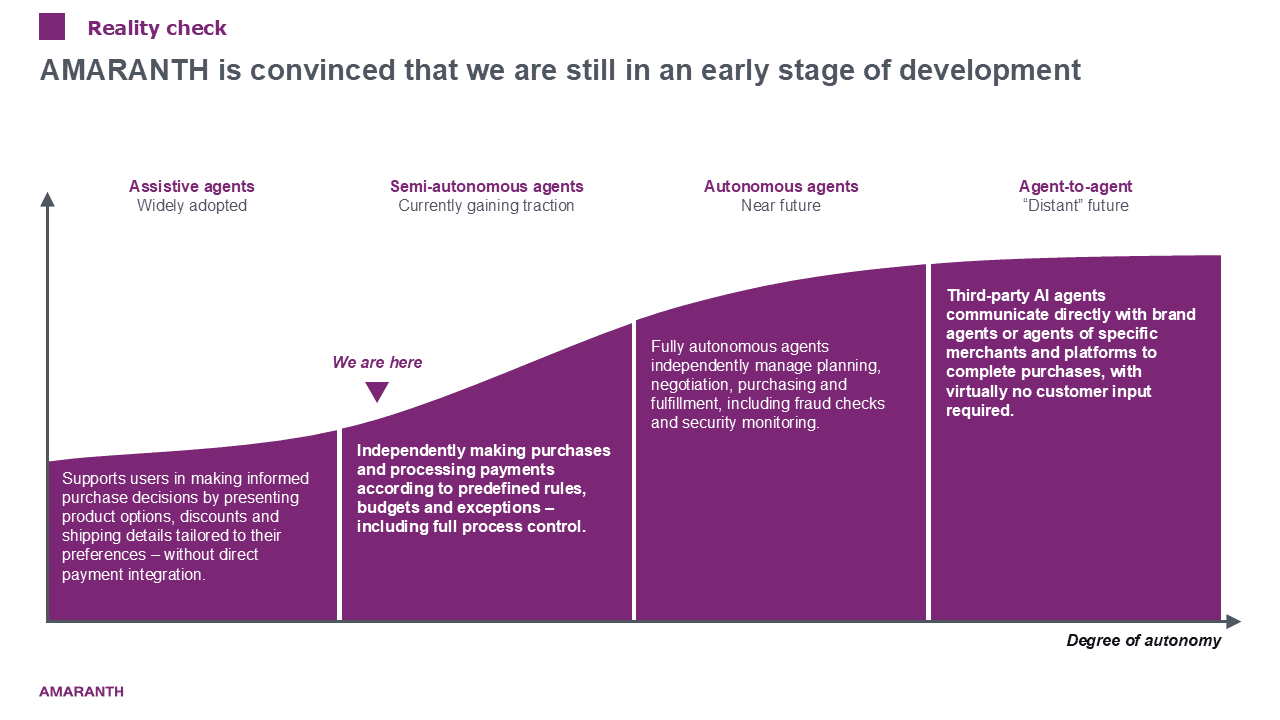
Figure 4 - Classification of the Current State of Agent Development
1.3 Technical background
The typical technical architecture of agents is primarily determined by their workflow, which encompasses customer interaction (voice interface), process execution (orchestration component), product and search operations (product and customer databases), pricing and discount processes (integrations with payment and reward service providers), and shipping/returns processes (integration with shopping portals).
The agent’s authority to make decisions and take actions on behalf of the customer can create new attack vectors for fraud, and automated selection mechanisms that make decisions based on customer and product vectors carry the risk of incorrect purchases. To counteract these risks, integration and trust patterns must be established.
The agent itself is a multi-layered technical system that orchestrates language models, decision logic, product and customer data, and payment components. At the same time, the agent operates within a networked ecosystem in which various systems interact with one another. Products, bonuses, and discounts must be made available to the agent; the agent must enjoy the trust of payment service providers when making payments on behalf of users; and the resulting actions - such as purchases, processing, or returns - must be handled securely and reliably.
At their core, agents are autonomous systems capable of independently fulfilling a user-defined goal. To do so, they access external systems such as APIs, databases, or specialized tools to utilize the information or functions necessary to achieve their goal. It is crucial that an agent is aware of its current situation - its “state” - and can make context-appropriate decisions based on this information. This allows it not only to react to situations but also to plan for the long term, initiate actions, and execute them independently.
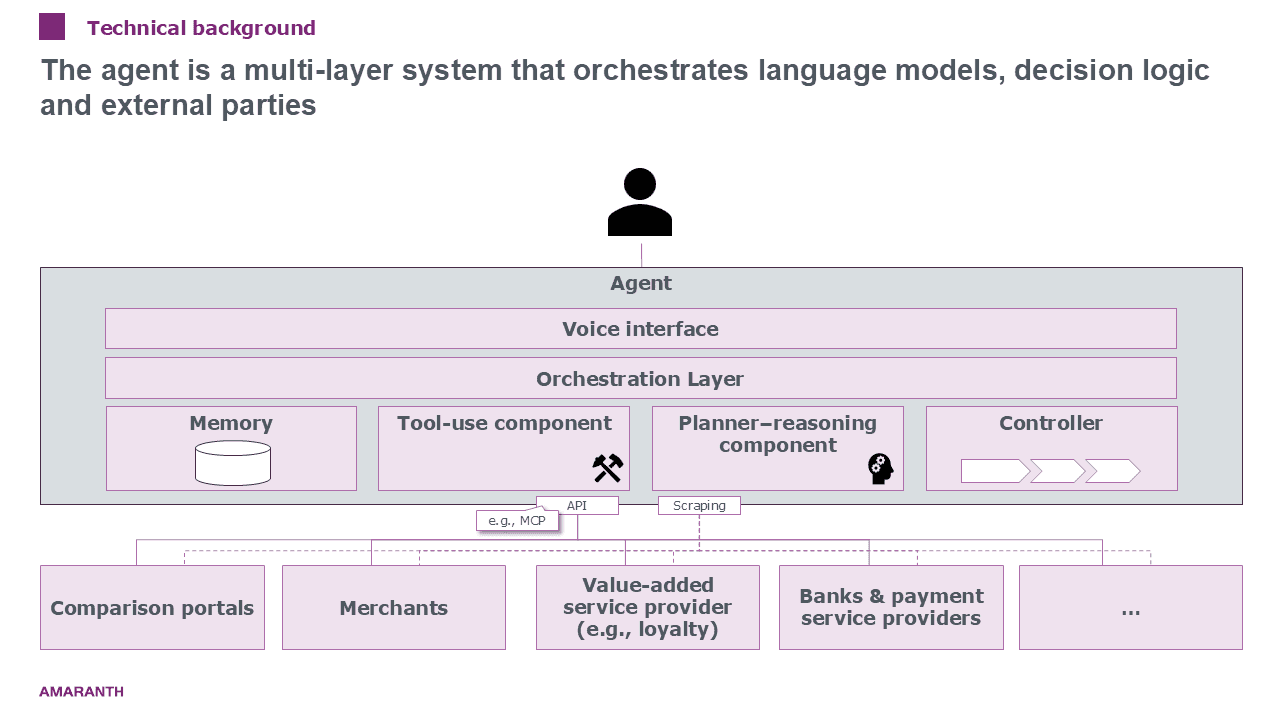
Figure 5 - Technical Architecture of an Agent
Unlike the - now-familiar - generative chatbots, which primarily respond to prompts, agents are designed to be goal-oriented. While a chatbot responds to an input or conducts a conversation, an agent works toward completing a task. Agents also often feature a chat interface that allows users to formulate their goals independently. It is also true that modern chatbots already maintain state - for example, through the history of a conversation - and can integrate external tools such as calculators or databases to generate well-founded responses.
To put it simply: An agent is always used when the interaction with the AI is aimed at performing a specific task - in contrast to a chatbot, whose primary purpose is to engage in conversation or answer a question.
Various modules are often used for this purpose:
Beneath the surface of an agent lies an orchestration framework that maps decision-making in the form of a modeled workflow. It coordinates the necessary components and determines how information is processed and actions are triggered to achieve a defined goal.
Another central component is “Memory,” which stores short- and long-term information. It records the system’s current state and enables the agent to act consistently over an extended period of time.
The tool-use component ensures access to external systems via APIs. It allows the agent to utilize specialized functions or data sources. The challenge lies in deriving the correct parameters from unstructured language inputs in order to interact with external tools in a standardized manner.
The planner and reasoning components control the collection and processing of information for decision-making. They typically use large language models (LLMs) to draw step-by-step conclusions and evaluate courses of action.
Finally, controllers are responsible for executing the decisions. They orchestrate the individual components in the workflow and ensure that the planned steps are coordinated and fully implemented.
From a technical perspective, agent frameworks do not represent a fundamental innovation. Comparable systems for automating tasks, such as workflow engines or Robotic Process Automation (RPA), have existed for decades. The key difference, however, lies in advances in artificial intelligence, particularly in the development of powerful models capable of interpreting language and image data.
These models are much easier to integrate today. Standardized interfaces such as the Model Context Protocol (MCP) and multimodal frameworks make it easier to combine different types of models. At the same time, the technical ecosystem surrounding LLMs has evolved significantly. Databases such as vector or graph databases structure knowledge in a way that allows models to access it in a targeted and efficient manner. In addition, specialized frameworks for modeling agents have emerged, such as LangChain or comparable platforms, which simplify the development and orchestration of agent systems.
This combination offers unprecedented accessibility in the modeling and implementation of agents. Many of the required components are now available as open source or via APIs, enabling even small teams or individuals to develop functional agents without having to delve deeply into the infrastructure.
In the context of Agent-based Commerce, the unique aspect lies in the integration of such agent systems into product and payment environments. Through tool-use APIs, they are directly connected to commerce systems, enabling them not only to make decisions but also to autonomously execute the entire purchasing process.
If an agent is to not only provide a result in the form of a recommendation during online purchases but also be able to autonomously purchase products on behalf of the user, several challenges and questions regarding the actors involved in the process must still be addressed.
The main actors here are:
The providers of the LLM, which in the future will search, compare, and ultimately make the purchase decision on behalf of the buyer. These services define the agent’s functional framework.
The shop system providers or platform operators, who must offer integration for agents.
Payment service providers are responsible for processing payments; today, they often already serve as the customer interface for the underlying payment methods and must resolve several regulatory hurdles and security issues for integration with an agent.
The three original players in e-commerce - the customer, the bank, and the merchant - interact primarily through intermediaries, with a few exceptions, at the latest when the customer side is also represented indirectly by the “agent.” The original interaction is now replaced by a respective representative service and behaves as shown in Figure 6.

Figure 6 – Ecosystem Transformation Through Agentic Commerce
1.4 Outlook on the development of Agentic Commerce
For Agentic Commerce in general - and agent-orchestrated payment processing in particular - to gain a sustainable foothold in the European market, several developmental steps still need to be taken care off. The success and adoption of Agentic Commerce in the EU depend on many factors. As in the past, regulatory challenges and adaptation to the specific ecosystem play a particularly important role.
1.4.1 Regulatory challenges of authentication
Under PSD2, PSPs are required to implement strong customer authentication. In practice, this means that to authorize a “customer-initiated transaction,” it is not sufficient to simply request payment details from the customer; rather, at least one additional verification step must be performed to ensure that the customer is indeed the rightful holder of the payment details. This is done, for example, through a confirmation within the card issuer’s app. In the case of a “merchant-initiated transaction,” merchants submit payments based on a token that has been stored once, without the payment instrument issuer sending an additional authorization request to the customer. However, merchants bear the risk that the customer may file a complaint afterward.
A problem is already apparent here: A payment initiated by an agent does not fit into either of these two categories. The agent, even when acting on behalf of the customer, is not the rightful holder of the payment instrument. Therefore, current verification mechanisms are unlawful and unsuitable for autonomously acting agents. Consequently, it would be de facto impossible for the agent to purchase that long-sought-after product in the middle of the night, especially if its price has now fallen below a predetermined threshold.
Technical components could solve this problem, at least for semi-autonomous agents, such as through configurable permissions for agents implemented by PSPs and banks. On the one hand, these must assure the customer that the agent will only make payments within the scope intended by the customer; on the other hand, they must also be regulatory compliant within the EU. In addition, these should be standardized accordingly so that authorization for agents potentially extends through the PSP all the way to the customer’s bank (e.g., for a payment authorized on the account).
However, there is already an exception in place under “delegated authentication,” in which the PSP or merchant assumes responsibility for verifying the customer’s identity. For an LLM provider to benefit from this, additional data would need to be provided as fraud- parameters. In this case, the customer’s bank can forgo its own SCA, partly because the fraud risk in the event of a chargeback is transferred from the issuer to the merchant.
Another theoretical possibility would be for LLM providers to be integrated as technical service providers responsible for delivering the respective bank’s authentication services, or to be registered as wallet providers or payment front-ends.
e-commerce transactions via Apple Pay no longer require separate authentication by the card-issuing bank, as Apple - acting as the issuer’s service provider - secures such transactions through biometric recognition (Touch ID or Face ID). However, it is rather unlikely that banks would be motivated to integrate such a model separately for each of the many LLM models.
1.4.2 Changes in the ecosystem
Today’s fraud detection systems at the PSP (device identification, behavioral pattern recognition, etc.) would likely conclude that a script is at work when a purchase is made by an agent and cancel the purchase as a precaution. The same applies to payment providers, whose fraud prevention systems are not designed to handle agent-initiated transactions. Without appropriate adjustments, frequent purchase cancellations would result. This is likely to delay adoption among end customers and merchants or, alternatively, open the door to solutions that specifically address this issue. International payment schemes such as Visa, Mastercard, PayPal, and PSPs are therefore designing so-called trust networks (e.g., Mastercard’s Trust Framework) through which an LLM agent can authenticate itself using a corresponding key.
However, these trust networks, to which the agent logs in, also serve other functions. Visa is working on a product graph - that is, an overarching product catalog or registry - designed to make it easier for the agent to find the relevant stores that sell the desired items and to standardize product comparability. In addition to international payment schemes, shop system operators with integrated PSPs are also attempting to address the topic of agentic shopping.
Consequently, it’s no surprise that payment industry leaders like PayPal are reflecting this shift in the e-commerce power structure and - contrary to the long-standing battle for the customer interface - are positioning themselves as the primary payment processors behind the most relevant LLM providers. For example, PayPal and Microsoft recently introduced Copilot Checkout. The idea: to integrate the purchase process directly into the Microsoft Copilot chat, thereby enabling the entire purchase cycle - from discovering products, comparing them, and making a decision all the way through to payment - without leaving the chat. PayPal already has a similar partnership with OpenAI. PayPal’s goal here is not to own the user interface, but rather the “trust layer.” Customers and their payment data are and will remain with PayPal. The interface through which they pay is secondary. In addition to these partnerships, PayPal itself is actively promoting Agentic Commerce by providing an interface optimized for agents to initiate payments (“Agent Toolkit”), which is offered via the Model Context Protocol (MCP) platform.
Revolut, a European competitor, also announced on January 19, 2026, that it would optimize “Revolut Pay” for one-tap checkout in Agentic Commerce [3]. In doing so, Revolut Pay will be one of the first payment methods in the EU to adopt Google’s Agent Payments Protocol (AP2). Revolut also played an active role in designing the AP2 protocol for account-to-account payments.
However, even assuming that such trust networks can establish themselves and gain technical traction, the relevant participants (customers, PSPs, merchants, and banks) must consider and accept the associated liability issues and, if necessary, adapt their terms and conditions and processes.
1.4.3 Interim conclusion
Given the context described above, it seems highly unlikely that Agentic Commerce will, in the short term, usher in the often-touted revolution in the shopping experience or reverse the balance of power in e-commerce. In the long term, however, it is entirely expected that a significant proportion of purchasing decisions in e-commerce will be determined by AI agents and that prominent LLM providers such as OpenAI will attempt to dominate the customer interface. In the short to medium term, however, this trend is likely to be limited to assistive and early semi-autonomous agents, as the regulatory and technical frameworks for fully autonomous agents have yet to be established. Furthermore, from the end customer’s perspective, it is not expected that the new technical possibilities will change shopping behavior to such an extent that the vast majority of purchasing decisions will be made by an agent alone: Particularly for capital goods and in the luxury segment, the initial stages of the purchasing process and the final purchase decision are an essential part of the customer journey. This does not apply, however, to consumer goods such as groceries, household items, or underwear, and price is a more relevant factor in the product selection process when making a purchase decision.
For assistive agents, particularly for capital goods in the mid-price segment such as consumer electronics, a significant impact on consumer behavior is likely to be observable even in the short term: According to a study by the ECC Retail Research Institute, 35 percent of respondents under the age of 40 already turn to ChatGPT for product inquiries instead of using traditional search engines or Amazon[4].
In the foreseeable future, existing value chains will thus be disrupted, with at least large parts of the purchase initiation process consolidating among LLM providers, while payment processing will in turn be handled by their integrated partners. These are not expected to be individual banks, but rather large payment schemes (Visa, Mastercard, PayPal, and potentially Wero in the future), wallet providers (PayPal, Apple Pay), and/or major PSPs (Adyen, Stripe, and, again, PayPal).
Now, one might argue that these risks are limited to e-commerce and that brick-and-mortar retail is exempt, since in this case the customer stands at a physical checkout counter; the idea that agents intervene in the value chain here seems rather abstract. Even if this is certainly true, the share of e-commerce in total retail payment transactions has been growing disproportionately for years, and e-commerce payment methods are also becoming increasingly widespread in brick-and-mortar retail (e.g., Lidl Pay, REWE Pay, Payback Pay, Amazon Go, …). In these cases, it is also conceivable that the choice of payment method rests with an agent, even though the customer places the goods in their physical shopping cart themselves. Consequently, the implications of Agentic Commerce potentially extend to all cashless retail payments.
Given this scope, banks should ask themselves what strategic conclusions can be drawn.
2 Impacts on banks
Semi-autonomous and fully autonomous agents lead to objective and rational purchasing decisions and payment transactions that are initiated by the agent and free from emotion. Ultimately, this is not just about selecting the product, the merchant, or the platform, but also about choosing the payment method to be used for the transaction - including potential value-added services - with implications for the market participants involved that can be far-reaching in some cases.
For banks in their role as issuers of payment instruments, this has two implications. On the one hand, they must create the conditions necessary to process payments initiated via LLM (“LLM Payment Enablement”), as they will otherwise be excluded from the value chain. Providers such as PayPal will gladly fill any resulting gaps. The implications for banks would be significant, as this would result not only in lost revenue (interchange fees, card fees, etc.), but also in the loss of key customer touchpoints and data that serve as the foundation for other financial products and services.
On the other hand, the question arises as to what levers banks can pull to be prioritized in the payment preferences of the LLM and, ultimately, the customer (market differentiation).
2.1 LLM payment enablement
The agent’s selection of the optimal payment method requires information that goes beyond the mere provision of (tokenized) payment data (such as PAN, expiration date, CVC/CVV). In principle, the agent could consolidate this data itself via publicly available channels (such as banks’ price-service directories). However, this would carry the risk of incorrect classification. Furthermore, data not available to the public (such as a points balance in a loyalty program) could not be taken into account in this way. To do this correctly in the customer’s best interest, a structured and standardized data provision from the payment method issuer to the agent would be necessary; for example, via appropriate intermediaries such as the existing Token Service Providers (TSPs) of the card schemes.
The information to be provided includes, among other things:
Potential benefits, such as cashback programs or discounts through merchant partnerships
Additional and value-added services, e.g., integrated insurance benefits or service offerings
Transaction-based cost components, such as foreign transaction fees or fees for specific merchant categories
Such information forms the basis for an intelligent and dynamic payment decision by the agent, although it can be assumed that card issuers would only provide information that they are required to disclose or that would positively influence the agent’s selection.
To enable an agent to autonomously execute payments at a later time after an order has been placed, existing authentication and payment authorization processes must also be expanded. In particular, it must be ensured that the authorization process complies with regulatory requirements (e.g., PSD2-compliant) and is technically flexible enough to securely enable delayed or context-dependent payments, whereby striking the right balance between security, user-friendliness, and automation once again becomes a decisive factor for success.
The introduction of agent-initiated payments also requires far-reaching technical adjustments to all processing systems. Key points here include:
Identification and traceability: Agent-initiated payments must be clearly identifiable, analyzable, and traceable in all process-relevant systems
Limit Control: Similar to existing e-commerce or cash limits, separate limit structures could be defined for agent-initiated payments; these limits would need to be factored into the authorization processes - or potentially even at the time the agent selects the payment method
Fraud prevention: Fraud detection systems must be capable of creating new rule sets specifically for agent-initiated payments and continuously adapting them
Operational processes: Card management and chargeback systems must be expanded so that support and operations teams can handle customer inquiries regarding these transactions efficiently and in a traceable manner
The prerequisites listed above represent a sample selection of basic requirements (“must-haves”) without which implementation would not be market-ready - however, they merely form the functional foundation and do not yet constitute a differentiating factor in the market.
2.2 Market differentiation
For a payment method to be designated and actively used as the preferred payment option (“top-of-wallet”) by both end customers and agents, incentive structures must be clearly recognizable and designed to offer tangible benefits. Marketing measures and emotional anchors (such as an attractive card design or the “premium” image of a gold card, etc.) are no longer effective in this context.
This means that the communication and prioritization of benefits, additional services, and value-added services must be structured in such a way that the agent can translate them into immediate benefits for the customer.
At the same time, it is crucial that authentication and authorization processes run smoothly. A negative user experience - such as when a payment cannot be processed in time, resulting in a lost sales opportunity - can quickly lead to a permanent shift in payment preference toward alternative payment methods.
3. Recommendation
In theory, banks are just as free to develop their own shopping agents or integration patterns as PayPal is doing, for example, with its Copilot partnership. However, for most European banks, this investment appears unattractive for various reasons: Genuine technical expertise in AI applications is generally limited at the institutional level, and building it up is time-consuming and costly. Furthermore, the market position of most institutions simply would not be dominant enough to enter into a partnership on equal footing with the major tech companies, as PayPal has done. In this respect, most institutions will likely have to react to market changes but, due to their limited market footprint, will be able to shape them only to a minor extent.
At first glance, therefore, the shift toward agentic commerce appears unattractive for banks: It requires significant investments in infrastructure, systems, and processes, without any immediate prospect of additional transactions or higher margins.
However, as was the case with the launch of Apple Pay in 2018, industry history shows that investments that seem unattractive in the short term can take on strategic importance in the long term. Back then, too, banks faced a similar situation, characterized by high implementation costs, complex integration projects, and, initially, no clearly quantifiable revenue benefits. Nevertheless, the launch quickly became an indispensable standard. Looking back, it is clear that those institutions that invested early and recognized Apple Pay as a strategic opportunity reaped disproportionately greater benefits - not only through measurable customer growth and an increase in transaction volumes but also by strengthening their brand perception as modern, innovative banks. This pioneering role had a positive impact not only on customer loyalty but also on market positioning in the increasingly digital payments landscape.
A similar pattern could also be expected in the context of agent-based payments. What appears today to be an investment with no short-term return on investment may prove to be a decisive competitive factor tomorrow. It is therefore no coincidence that innovation-oriented and risk-taking players such as Revolut and PayPal are positioning themselves at the forefront here.
Banks should therefore first reflect on their fundamental strategic position and basic assumptions regarding the development of retail payments in general and e-commerce in particular:
Assuming that…
… at least with regard to shopping agents, the major players will establish their own ecosystems anyway (tech conglomerates, LLM providers, PayPal, card schemes, …),
… in the long run, retail payments will generate less and less revenue,
… a presence in retail payments is not critical to the success of other banking products (e.g., lending),
the conclusion should be to scale back investments where possible, capture returns, and strategically focus on other business areas.
However, if the overarching assumption is that…
… despite the dominance of tech conglomerates and American payment firms, European banks can and will continue to play a relevant role in retail payments (e.g., in their role as card issuers or issuers of alternative payment schemes such as WERO),
… retail payments can continue to be operated with a positive contribution margin,
… a presence in retail payments is strategically relevant for other business areas as well,
then the implications of Agentic Commerce must be incorporated into the company’s own strategic roadmap as soon as possible.
This first requires answering the following strategic questions:
“LLM Payment Enablement”: What adjustments are possible and necessary to ensure that my payment methods can be used in Agentic Commerce (integration of protocols such as AP2, standards, as well as adaptation of processes, terms and conditions, etc.)?
Review of your own payment product portfolio:
a) Which of my payment methods should be prioritized for use in Agentic Commerce (margins, risk, reach)?
b) How do I make these attractive to end customers so that they achieve “top-of-wallet” status (value-added services, loyalty programs, etc.)?
c) How can I make it attractive for agents or agent providers to prioritize the use of my payment methods (data provision, partnerships, commission programs)?
In particular, the answers to questions 2b and 2c should ideally be considered not only within one’s own institution but also on a broader, cross-institutional basis. For example, collaborative efforts at the industry association level could improve the negotiating position vis-à-vis agent providers. Cross-institutional initiatives such as loyalty schemes can also provide greater leverage. Such a scheme could also help ensure the availability of data that is currently limited by agents acting as an “intermediary layer” with full visibility into customer data and purchasing behavior.
Initiatives related to agentic commerce by card schemes, LLM providers, and similar tools are developing at an immense pace in some cases, while banks’ corresponding responses and implementations require a certain lead time. Banks should therefore use the time remaining now to develop their own or joint position before shopping agents dominate their customers’ daily lives.
Fußnoten:
[1] 20Bps Interchange * 3.5 trillion in card transaction volume (according to ECB statistics) + 800 million payment cards (ECB statistics) with an average of 22 euros in revenue and customer fees per year. Revenue from additional services, alternative card options, etc., could potentially be added to this.
[2] Examples include, among others, Mastercard’s Agentic Program (including Agentic Tokens), Visa Intelligent Commerce (including the development of a product graph), Google AP2, PayPal Agentic Commerce Services, and Stripe Agentic Commerce Suite.
[3] Revolut to Enable Frictionless Checkout Across All Agentic Commerce Platforms for the UK and EEA
[4] https://ohn.haendlerbund.de/themen/ki-tech/veraendern-chatgpt-produktsuche-online-handel#:~:text=Eine%20neue%20ECC%2DStudie%20zeigt:%20KI%2DChatbots%20wie%20ChatGPT,Dritte%20nutzt%20bereits%20KI%2DTools%20f%C3%BCr%20die%20Produktsuche.
About the author(s)

Expert Advisor
Tom De Pryck
Industrial Engineer with 7+ years in consulting for the financial and payments sector. Focus on payments and client-focused problem solving.

Senior Expert Advisor
Dr. Reinhold-Julius Heitmann
PhD in business informatics with 8+ years of experience in management consulting with a focus on data-driven analysis, optimization and solutions.